
Pickup guides
What Should You Keep Out of a Junk Removal Pile?
A roomful of furniture can be ready for pickup while a handful of items need completely different handling. Keep those items visible. A sealed bag of mystery garage supplies is difficult for anyone to assess safely.
Leave labels on liquids and containers
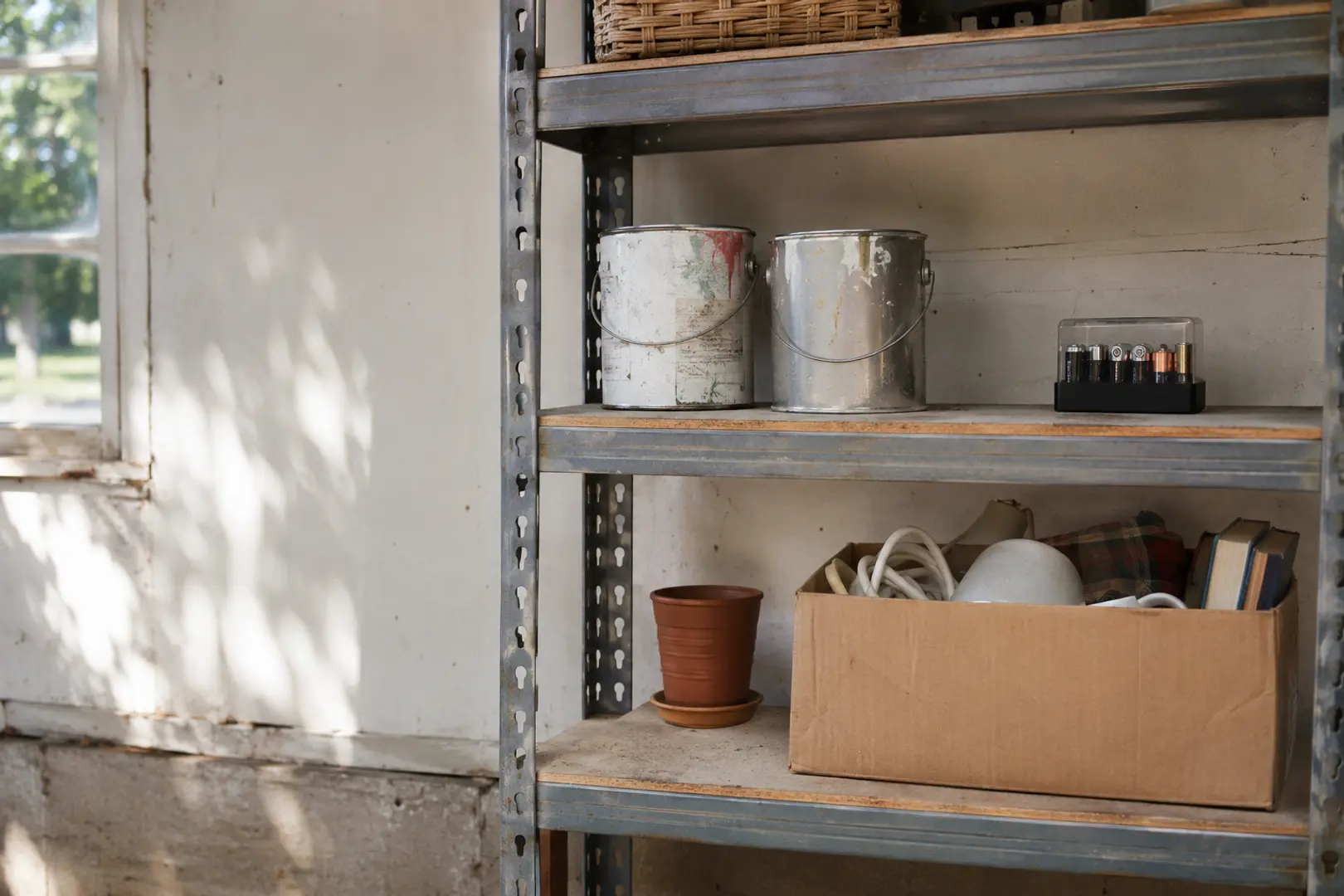
Set aside paint, solvents, fuel, pesticides and containers with unknown contents. Leave the contents where they are and keep product labels readable. Ask the local collection program how it handles the specific product and condition. A damaged or leaking container calls for instructions before you try to move it.
Boston lists household hazardous materials and accepted products by event type. Resident eligibility, quantity limits and exclusions apply. Read the list for the event you intend to attend. Commercial waste needs its own arrangements. Boston Zero Waste Days.
Look for batteries that are easy to overlook
Lithium-ion batteries can be inside cordless tools, rechargeable vacuums, electronics and other everyday equipment. EPA directs these batteries and the devices containing them to appropriate recycling or household hazardous waste collection. Keep them out of regular trash and mixed recycling. If a battery is damaged, ask the manufacturer or collection facility for instructions before taking it anywhere. EPA guidance on used lithium-ion batteries.
Keep valuables and private records under your control
Collect keys, wallets, photographs, financial documents and devices storing personal information before clearing a desk or bedroom. A perfectly ordinary filing cabinet might contain the only copy of an important paper. For office work, have an authorized person decide which files must go to a records or shredding service.
The contents can matter more than the container
An empty desk can go on a furniture list. A desk with a bag of old batteries in its top drawer needs a second decision first. Check reachable drawers, baskets and shelves for loose objects while the furniture is still in place. In a shared workshop, ask the owner to identify anything you do not recognize.
Keep a short list of items awaiting instructions and the room where you found each one. Leave unknown products in their original containers and keep them apart from the pile approved for removal. A photo of the label, if it can be taken without handling the item, can help the local program answer a specific question.
Tell the hauler what needs a separate decision
A mattress, a refrigerator and a pile of loose tile should each get an individual line in the estimate request. Describe the condition and say whether the appliance is disconnected. That lets the provider confirm acceptance and handling rather than discovering a special item halfway through loading.
For household contents, send your residential cleanout list after the first sorting pass. If a project also includes cabinets and old building materials, identify the renovation debris separately. Keep anything the provider hasn’t accepted outside the approved load.
Ordinary household pickup or a separate appointment?
A freestanding dresser and a TV resting on it can have different destinations even though they look like one group. Boston offers a specific appointment for a TV, while a resident with eligible ordinary furniture can check the regular collection route. Boston special collection items.
Have a pickup in mind?
Tell us what’s going, where it sits and when you need the space.